Kidney Stone Evaluation & Treatment
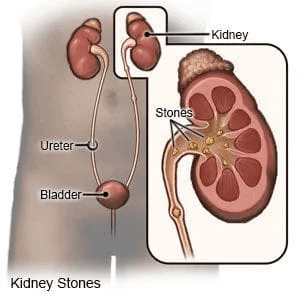
Kidney stones can cause sudden, severe pain — or they may be found incidentally on imaging with no symptoms at all.
If you’re experiencing flank pain, blood in your urine, or have recently been told you have a kidney stone, we can help you understand what’s happening and what to do next.
At Twin River Urology, we provide timely evaluation, pain relief, and personalized treatment options close to home.
Common Symptoms of Kidney Stones
- Sharp pain in the side, back, or lower abdomen
- Pain that radiates to the groin, labia, or scrotum
- Blood in the urine
- Nausea or vomiting
- Urinary urgency or frequency
Some stones cause no symptoms and are found on CT scan or ultrasound done for another reason.
If you’re unsure whether your symptoms are from a stone, we can help clarify that quickly.
What to Expect at Your Visit
We focus on three things:
1. Confirming the Diagnosis
We review your history, perform an exam, check your urine, and obtain bloodwork and/or imaging if needed.
2. Relieving Pain and Protecting the Kidney
If a stone is causing obstruction or severe pain, we prioritize making you safe and comfortable. In some cases, this may involve arranging to have a small internal drainage tube (stent) placed temporarily.
3. Treating the Stone
Treatment depends on size, location, and your symptoms. Options may include:
- Allowing the stone to pass with medical support
- Shockwave therapy to break up the stone
- Minimally invasive laser procedures
We will explain the risks and benefits of each option so you can make an informed decision.
Do All Kidney Stones Need Treatment?
Not always.
Some stones can be safely monitored. Others should be treated to prevent pain, infection, or kidney damage. We help you weigh the risks of treating versus not treating — based on your specific situation.
Preventing Future Stones
After treatment, we work to understand why the stone formed. Prevention is often just as important as treatment.
This may include:
- Metabolic evaluation
- Dietary guidance
We are fortunate to have a close working relationship with a PhD nutrition expert, Jen Meijer, at Happy Trails Nutrition, to develop individualized stone prevention strategies.
When to Call
Call us at 802-296-7370 if you have:
- Severe flank pain
- Fever with urinary symptoms
- Blood in your urine
- A new diagnosis of kidney stone
- Questions about a previously identified stone
Early evaluation can prevent complications and relieve discomfort quickly.
For a deeper dive into kidney stones and how we address them, click here.
Request an Appointment Today
Have Questions About Kidney Stones? Contact Us Today. We can try to answer your question and/or set up a consultation.